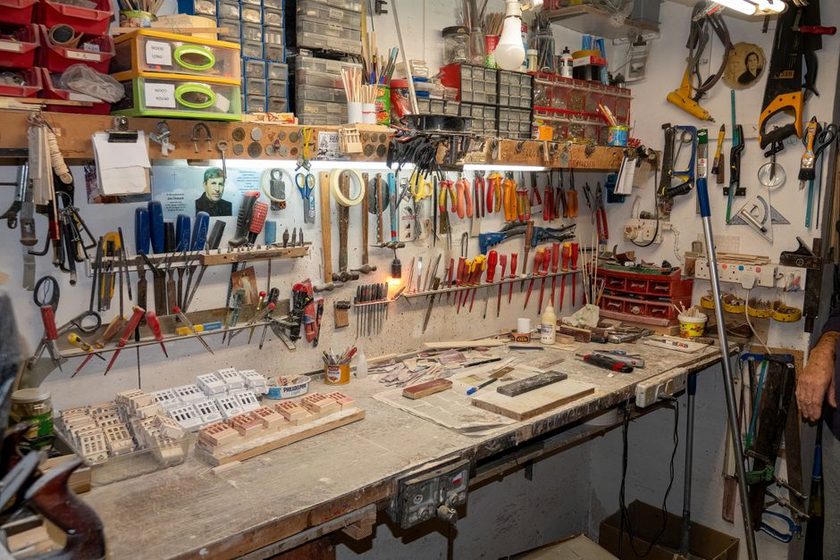
A journal about small workshops
Six square metres, mapped by shape
Notes on fixed positions, painted silhouettes, and the count nobody wants to run at the end of a long day — kept by a bench that keeps records.
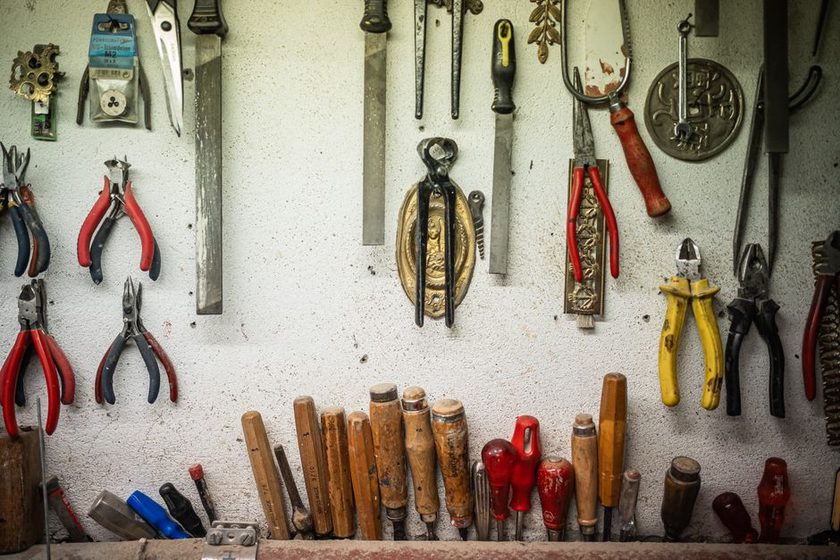
A painted outline does something a label never will — it announces absence from across the room.
The whole bench fits in six square metres — exactly small enough to count by hand, exactly large enough to lose things in.
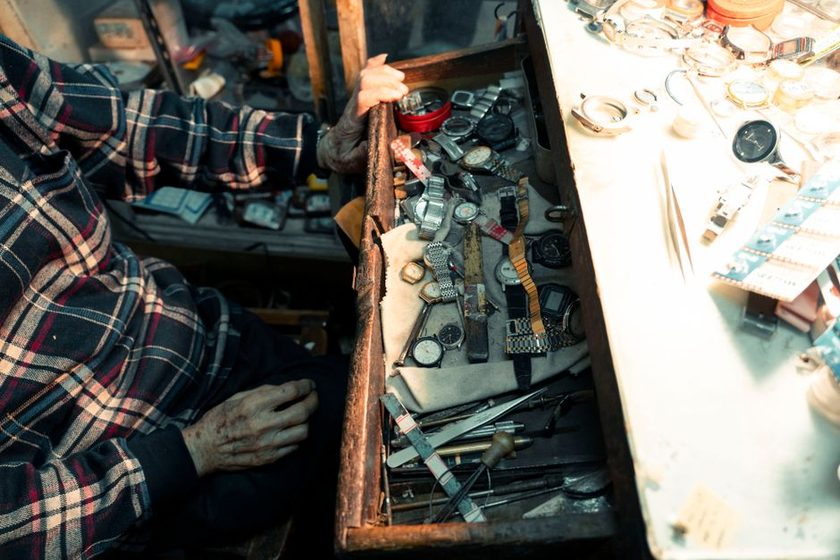
A drawer closes on its contents the way a wall never does, and that difference changes how long a shortage goes unnoticed.
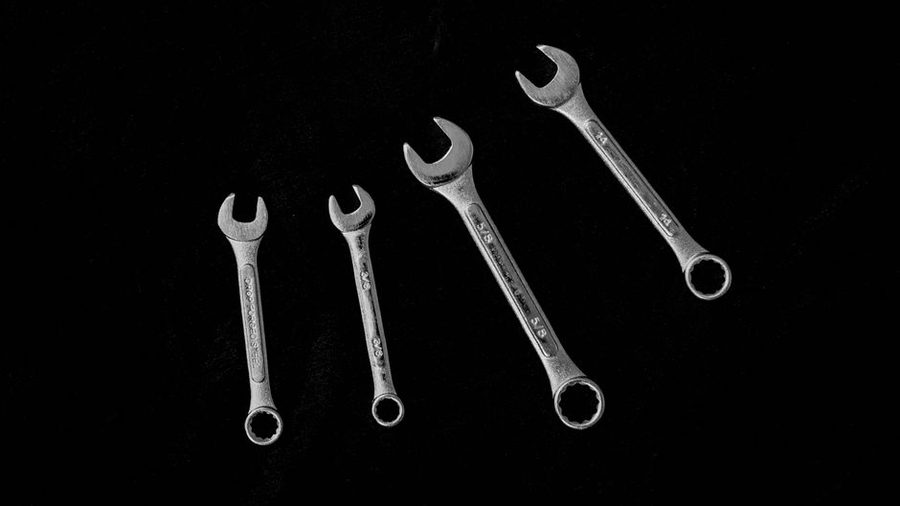
Five minutes before the lights go off does more for an inventory than any spreadsheet run once a quarter.

A label tells you what belongs there. An outline tells you what's missing. Most walls only have room for one message.

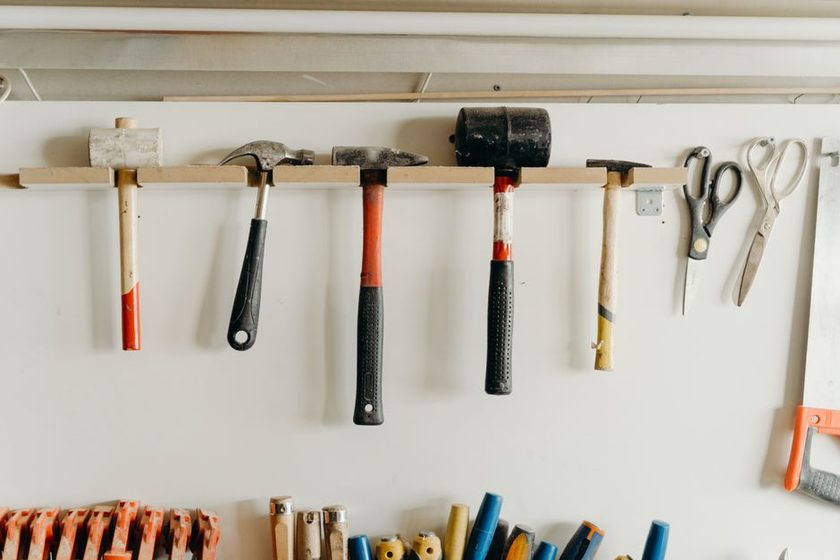
Sorting a wall alphabetically is tidy and almost always wrong — the busiest tools belong at arm's length.
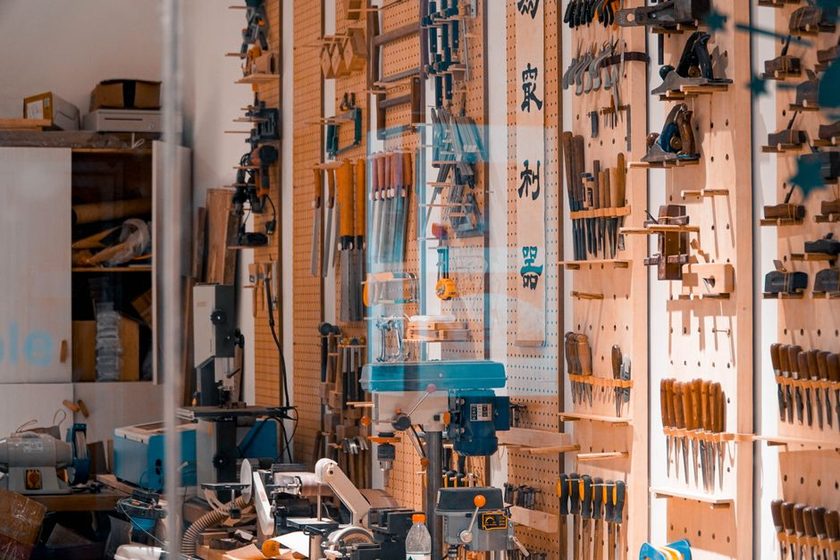
Most pegboards are hung once and never rethought again, even after the tool mix changes completely.
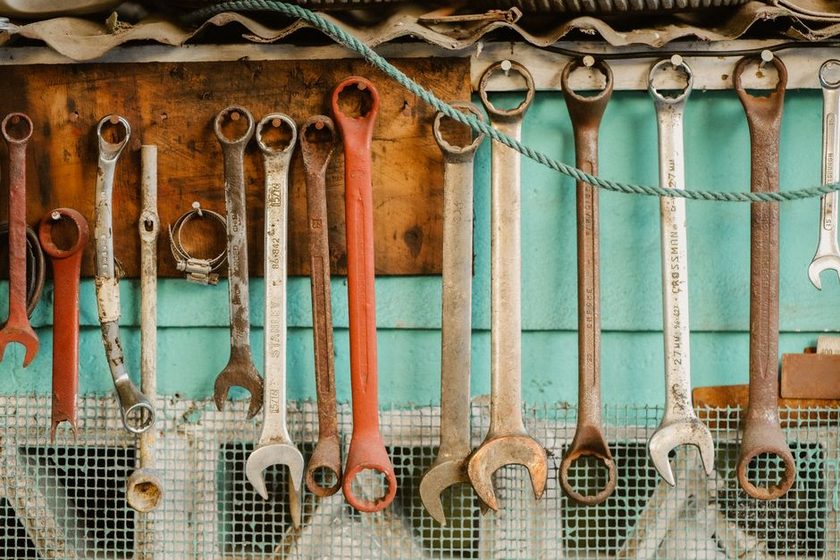
The unwritten rules of a shared bench matter more than any sign-out sheet taped to the wall.
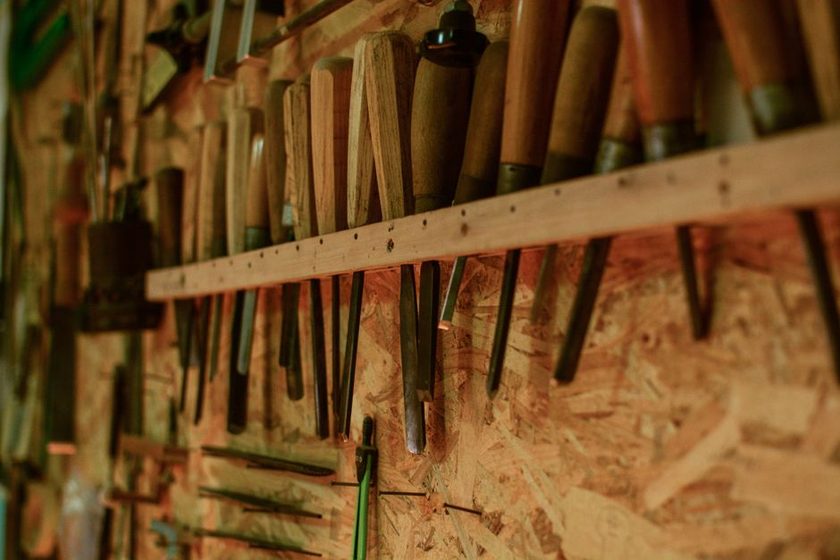
Not the price of the tool — the price of everyone who reaches for that spot before someone asks where it went.
Toolcount is a plain digital wall map for the habits this journal writes about — fixed positions, a five-minute closing count, and a log of what came up short. No scores, no gamification, just the wall in software.
Benchhook started as a set of notes taped inside a cabinet door, then became a habit of writing them down properly. We are two people who spend more time than is reasonable thinking about where a wrench lives and why it keeps not being there.
Nothing here is sold to you. We write about fixed positions, painted silhouettes, and the small daily accounting that keeps a shared bench honest — and occasionally about the software we built to make that accounting less tedious. Read the full about page for the editorial policy.